


















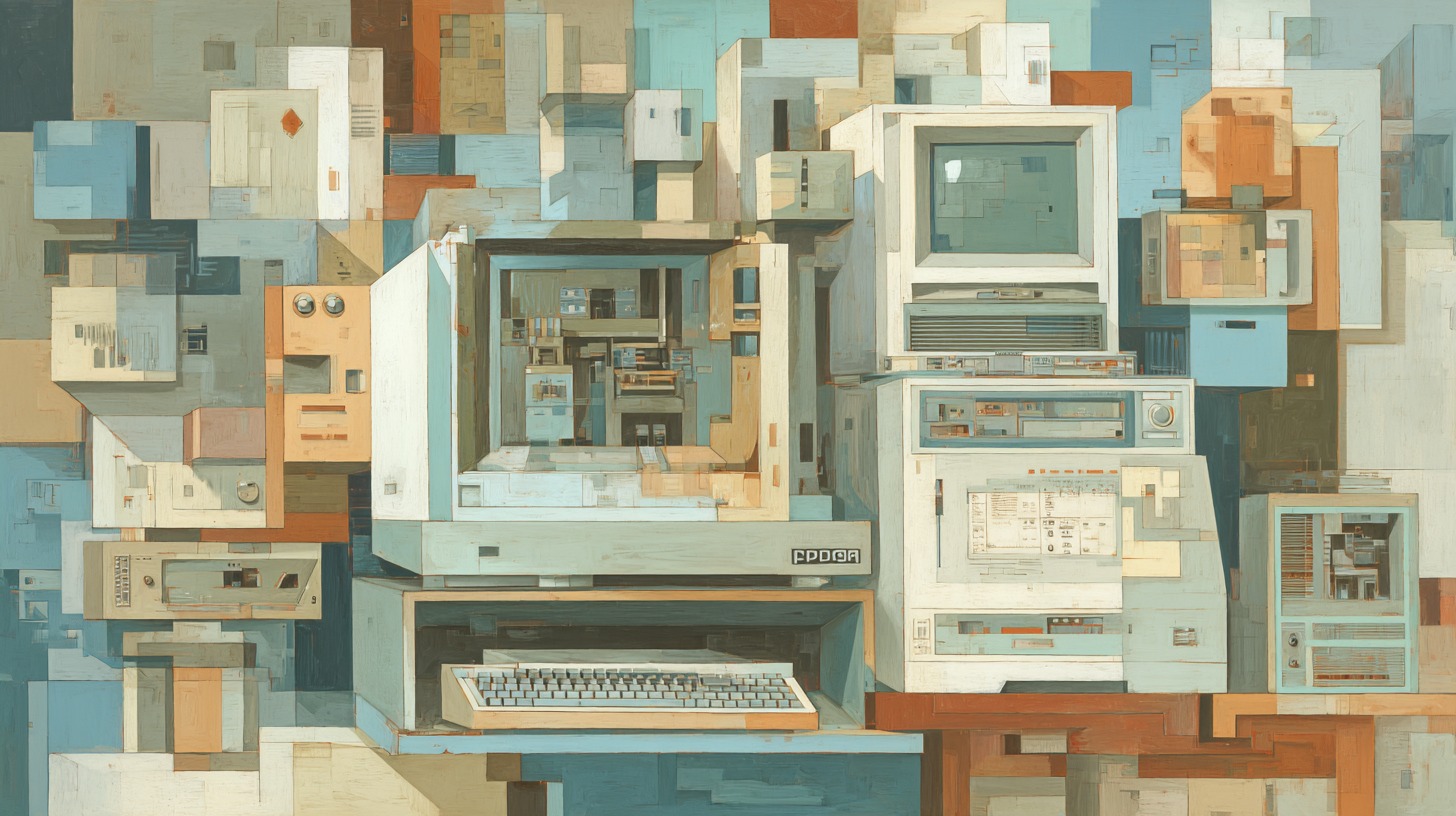
Unix spent its formative years on the DEC PDP-11, a 16-bit minicomputer that arrived in 1970 and became the dominant research and university machine of the decade. The PDP-11’s architecture — its memory model, its instruction set, its 64KB address space limit — shaped Unix and C in ways that persisted long after the hardware was obsolete. The infamous undefined behaviour in C for signed integer overflow exists partly because the PDP-11 handled it inconsistently. The 512-byte disk block size that echoes through filesystems to this day traces to PDP-11 disk geometry. When Unix was ported to the VAX in 1978, the expanded address space felt almost sinfully generous. DEC discontinued the PDP-11 in 1997. Its fingerprints remain on every system running Linux, macOS, and BSD today, legible to anyone who knows where to look.